Eczema
Get the treatment you need at Riverchase Dermatology.
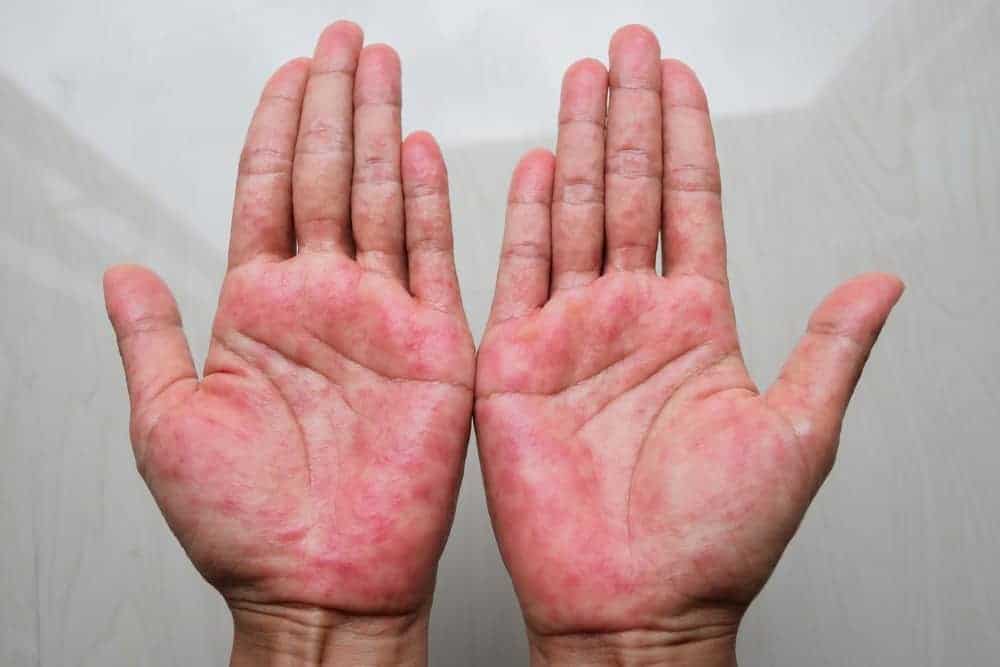
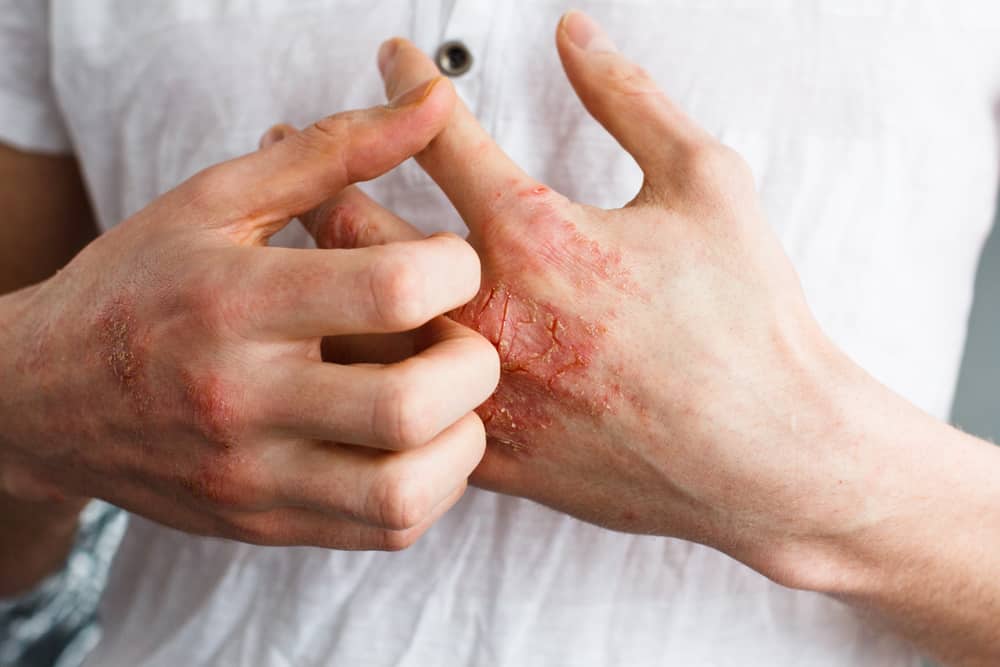
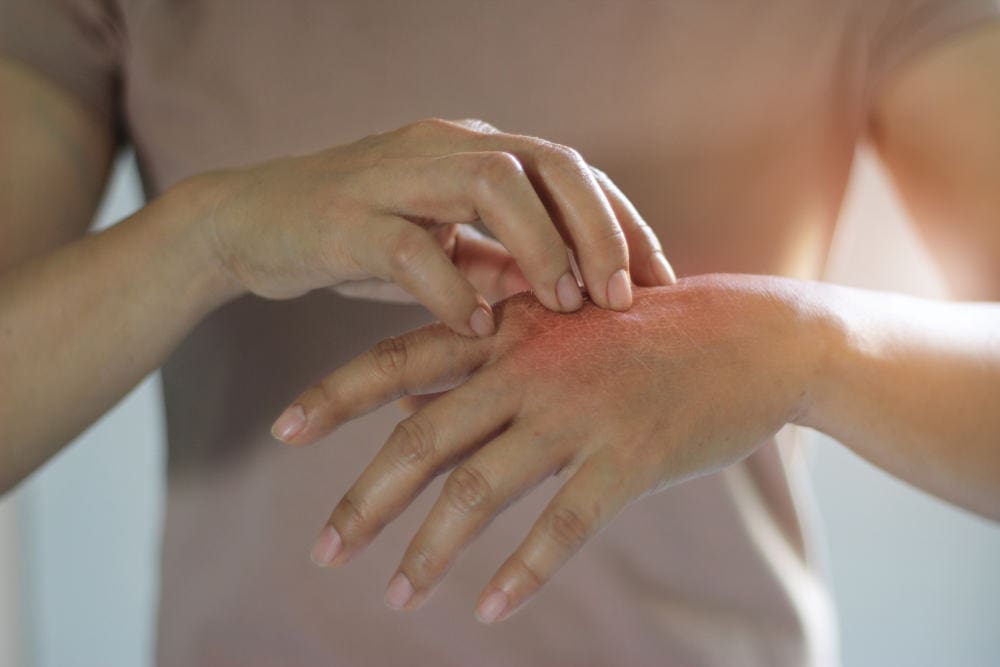
Eczema is a type of dermatitis that is not caused by an allergic reaction. It results in red, dry, itchy skin and may be caused by any one of a number of factors, including an allergic reaction, irritating substances, another medical issue or your genetic makeup. Eczema is not contagious, and it may be acute (short-term) or chronic (lifelong).
Eczema FAQs
Eczema causes dry, red, irritated skin that itches. The site may also feature tiny blisters that weep, ooze and produce crusted, thick plaques of skin.
Although eczema is a type of dermatitis, researchers believe eczema is caused by a combination of factors including genetics. It is linked to an overactive response by the body’s immune system, and is often seen in families with a history of asthma, hay fever or other allergies.
Eczema Treatment Options
Treatment will depend on a number of factors, starting with a Riverchase dermatologist diagnosing the underlying cause of the rash.
Sometimes a flare-up of eczema can be prevented by avoiding contact with irritants or allergy triggers, and by minimizing stressful situations. However, when eczema does show up, Riverchase dermatologists can help provide relief with a specialized treatment that considers your skin type; your previous history; the location on the body, severity, and appearance of the eczema outbreak; the underlying cause of the rash and your lifestyle.
Your physician may recommend the following to treat eczema:
- Topical corticosteroids: Medications are applied to the skin to relieve itching and heal affected areas. Popular corticosteroids include cortisone, hydrocortisone and prednisone.
- Topical immunomodulators: These are non-steroid skin creams or gels that reduce inflammation and prevent flares when used as an eczema management therapy.
- Antibiotics: Oral antibiotics are used if a skin infection is present. Common antibiotics include erythromycin, tetracycline and dicloxacillin.
- Antihistamines: These types of oral medications can help to reduce itchiness.
- Phototherapy: Light therapy can be helpful in treating chronic cases of eczema.
- Interleukin inhibitors: This is a targeted therapy, meaning it does not suppress the entire immune system. Instead, it targets the specific inflammation pathway. Dr. Robert Snyder discusses this relatively new therapy for eczema patients.
- In addition to doctor-prescribed treatments, there are actions you can take at home to help prevent an eczema outbreak. Reduce bathing, use gentle soaps and moisturize daily. Avoid wool and other scratchy materials as well as synthetic fabrics that trap heat next to the body. Choose a breathable fabric like cotton instead.