Acne
Get the treatment you need at Riverchase Dermatology.
For millions of people, managing acne is a daily challenge. In fact, acne is the most common skin disorder in the U.S., affecting nearly 85% of all people at some point in their lives. Generally, acne begins at puberty, but adults can also develop acne. It is characterized by an inflammation of the skin glands and hair follicles. It is an unsightly and often disfiguring skin disorder, but treatments are available.
Acne FAQs
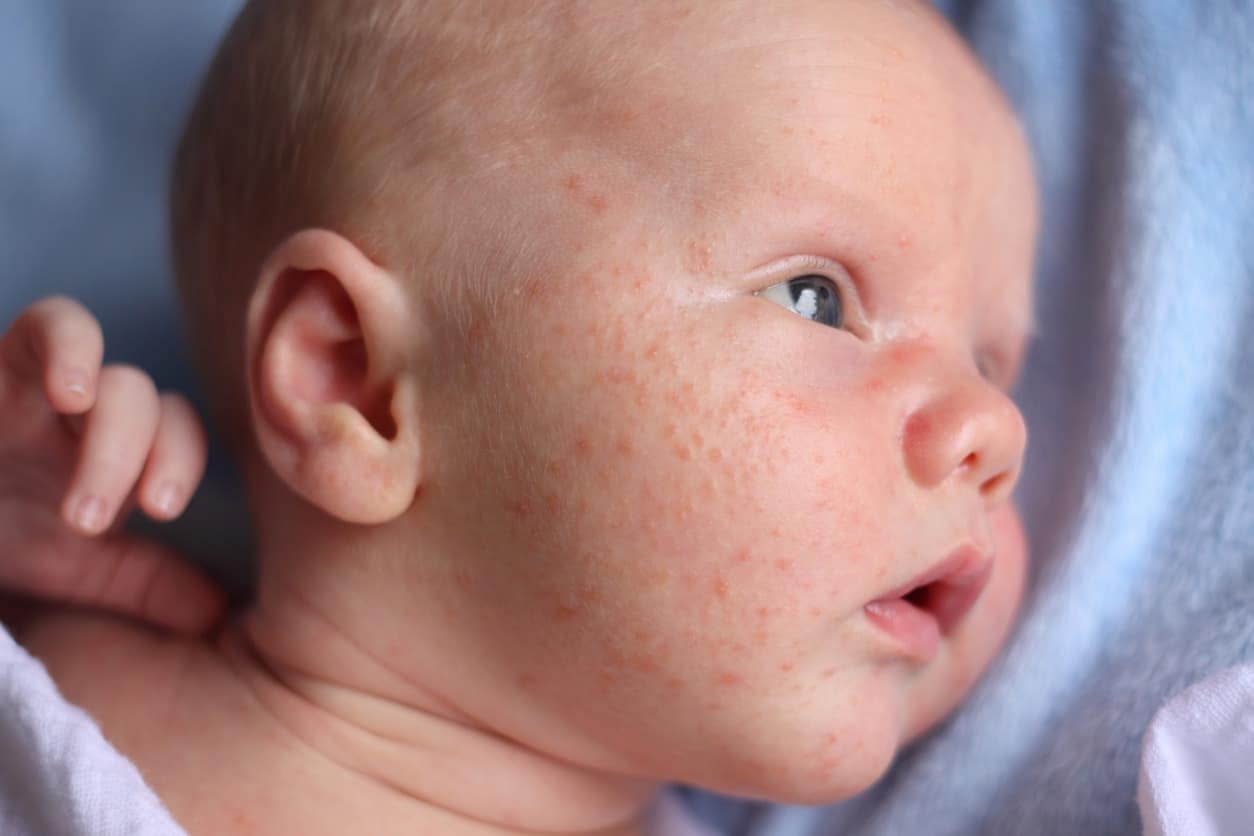
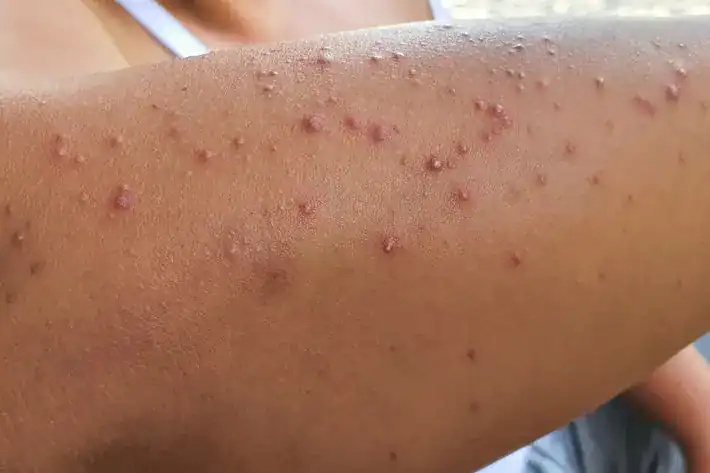
Acne shows up as an outbreak of pimples, deeper lumps (cysts and nodules), and clogged pores (comedones, either blackheads or whiteheads). It can appear as a single spot or cluster of red bumps that can be accompanied by varying degrees of swelling and pain when there is severe inflammation. Although it is most prevalent on the face, acne can appear on the neck, chest, back, shoulders, upper arms and buttocks. Besides discomfort, acne can cause emotional distress and lead to permanent acne scarring.
All types of acne — blackheads, whiteheads, pimples and cysts — develop when pores become clogged. The culprit is sebum, an oily substance in the skin.
The exact cause of acne is unknown, but one important factor is an uptick in hormones called androgens (male sex hormones) that cause the body to make more sebum. Androgen production increases during puberty in both boys and girls, and causes hair follicle sebaceous glands (oil-producing glands) to enlarge and overproduce sebum. Hormonal fluctuations later in life can cause acne flare-ups, especially for women.
Another factor is genetics. If either of your parents had problems with acne, it is more likely that you will, too. In addition, certain drugs are known to cause acne. Some cosmetics may alter follicle cells and make them stick together, producing a plugged or clogged pore.
Three major factors contribute to acne breakouts:
- Enlarged oil glands in the skin produce too much oil
- Hair follicles that release oil become blocked
- The presence of Propionibacterium acnes, a bacteria that lives on the skin within each hair follicle and thrives when there is a lack of oxygen caused when pores are clogged
In addition, acne can be caused by exposure to excessive oil, whether applied from skincare products (moisturizers or cosmetics) or picked up from other sources such as kitchen or automotive grease. Wearing tightly fitting clothing or other items such as sports helmets, backpacks, collared shirts or sports bras can cause acne, as well as exposure to pollution, high humidity or other environmental factors. Although stress is not known to cause acne, it can aggravate the condition.
For women, acne can also be caused by changing hormone levels up to a week before menstruation, during pregnancy or when starting or stopping birth control pills.
Several types of acne exist. Blackheads and whiteheads are the most common. They develop when your pores become clogged with oil or dirt. In the case of blackheads, the oil or dirt oxidizes, which causes the surface to darken. Pimples that become irritated or inflamed are often called pustules or nodules.
A pustule is a pimple that’s filled with pus. It’s often yellowish or white on the top with a red ring around the base. Nodules are red and inflamed. They usually extend deep beneath the surface of the skin.
Cystic acne is a severe form of acne. The pimples are on the large side and are often filled with pus. Cystic pimples are very difficult to treat without the assistance of a dermatologist.
At some point in your life, someone probably told you that certain foods made breakouts and pimples worse. “Greasy” foods like potato chips and fries and sugary foods like chocolate are usually blamed for causing breakouts. In reality, your diet likely has little to do with whether or not you have acne, as hormones are usually the primary cause of breakouts.
That said, it’s thought that some foods can make acne worse. For example, dairy products can sometimes be blamed for breakouts. Sugary and starchy foods might also make breakouts worse. If you think that a certain food is playing a role in causing or worsening acne, you can try eliminating it from your diet to see what happens.
A high-glycemic diet has also been shown to worsen acne. These foods cause a large increase in blood sugar and increase the risk of heart disease and diabetes. Choose foods with low-glycemic index such as whole grain breads, fruits, beans and complex grains. Several recent studies show there is a connection between following a low-glycemic diet and reduced acne. The scientists involved with the studies suggest a low-glycemic diet can be beneficial because it eliminates blood sugar spikes, which cause inflammation and encourage the body to make more sebum.
While you probably want your pimples to vanish overnight, in reality, it can take weeks for them to clear up. Generally speaking, once you’ve found an effective treatment option, it can take anywhere from six to eight weeks before your acne fades away.
Once the pimples and blemishes have cleared, you might consider a treatment such as laser skin resurfacing or a chemical peel to aid in rejuvenating and refreshing the skin.
One thing is for certain: acne is not caused by poor hygiene. Keeping your skin clean is important, but overly vigorous washing will only cause more oil production and aggravate your condition.
Acne Treatment Options
Topical antibiotics, salicylic acid, glycolic acid and retinoids are often prescribed for acne. It typically takes six to eight weeks to see improvements in the skin.
In cases of cystic acne and nodular acne, antibiotics can be given by mouth to decrease inflammation and kill bacteria. Birth control pills can assist in normalizing hormone levels.
Isotretinoin, a retinoid known by the brand name Accutane, when taken by mouth is highly effective for severe forms of acne.
Riverchase dermatologists are experienced with treating all kinds of acne from mild (a few whiteheads or blackheads) to severe (nodular or cystic acne). To develop a personalized acne treatment plan that’s right for your situation, your physician will consider the severity of your acne breakouts and your response to previous treatments. Your gender and the degree of scarring that has already occurred are also factors we consider when developing your treatment plan.
Our treatment goals for you will include healing existing lesions, stopping new lesions from forming, preventing scarring and minimizing the psychological stress and embarrassment caused by this disease.
Your dermatologist may recommend:
- Prescription medications
- Hormone therapy
- Topical products, such as topical antibiotics, salicylic acid, glycolic acid or retinoids
- In-office procedures such as blue light therapy, and in more difficult cases, photodynamic therapy to improve skin tone, texture and acne scarring
- Accure laser treatment, which relies on a laser wavelength specifically for acne.
Seek treatment early from a Riverchase dermatologist if your acne breakout does not clear up when you practice healthy skin habits regularly.