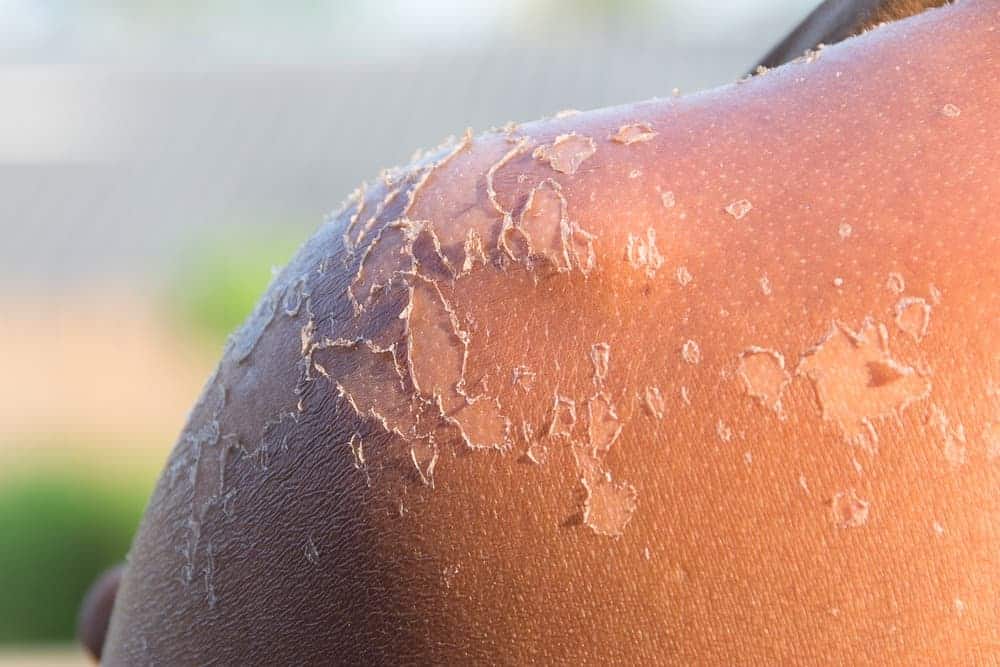
Sun-Damaged Skin
Get the expert treatment you need at Riverchase Dermatology in Florida.
Continuous exposure to ultraviolet (UV) radiation on the skin leads to cumulative sun damage, including aging and skin cancers. This prolonged exposure damages the fibers in the skin that provide its normal elasticity. As a result, the skin begins to sag and loses its ability to stretch back into position as quickly as before. The process also robs the skin of its natural lubricating moisturizer, collagen. Cellular damage can ensue and the damaged skin cells may begin to mutate and reproduce at an abnormal rate in the form of skin cancer.
Sun-Damaged Skin FAQs
Sun damaged skin is caused by a process known as photoaging, and will appear exceedingly dry and rough in texture. This long-term process stimulates an increase in the production of melanin, a skin pigment that can result in a mottled or irregular discoloration of the skin over the face and body. The skin may also appear much darker than normal as if a person has spent too much time in a tanning salon. Actinic keratosis is a form of skin damage that appears as a bump or patch of dry skin from cumulative, long-term exposure to the sun. As collagen production lessens as a result of continuous sun exposure, the skin will begin to look thinner and wrinkled, will bruise more easily, and will take longer to heal.
The primary culprit is solar heat and overexposure to the sun’s rays, a process that takes years for the damage to manifest and accelerate. People with lighter skin color are especially prone to skin damage, although people with darker complexions are also at risk. UV radiation is the light source that contributes to premature skin aging and wrinkling. It is also the predominant light source found in tanning beds.
Treatments for Sun-Damaged Skin
Protecting your skin is the most important way to retain beautiful, healthy skin. When shopping for sunscreens, it is critical to find a product that is broad-spectrum (meaning it protects against both UVA and UVB) and contains a SPF or sun protection factor of 30 or higher. Sunscreens that contain chemical blockers such as titanium dioxide or zinc oxide provide the best protection as they physically deflect the sun’s rays off the skin. Sunscreen should be applied 30 minutes prior to exposure and reapplied every two hours during continued sun exposure and sweating.
Your Riverchase dermatologist in Florida can offer treatments for sun damaged skin including topical retinoids, antioxidants, growth factors and peptides. You may also elect to incorporate chemical peels, photo facials and/or laser resurfacing to restore your skin.