Skin Cancer Prevention
Get the treatment you need at Riverchase Dermatology.
Skin cancer prevention isn’t a one-and-done process. It requires a comprehensive approach. At Riverchase Dermatology, we love the great outdoors, but we also encourage you to follow these simple rules to lessen your potential for skin cancer.
Plan ahead to limit sun exposure, wear sunscreen and dress appropriately year-round. In addition, schedule regular skin checks to detect skin conditions early and ensure your skin stays healthy.
Plan Your Outdoor Time
It’s important to remember that sun damage from ultraviolet (UV) radiation is cumulative, so even short bouts of sun exposure add up. Enjoy the the outdoors, but use the available tools available, including common sense, sunscreen and protective clothing.
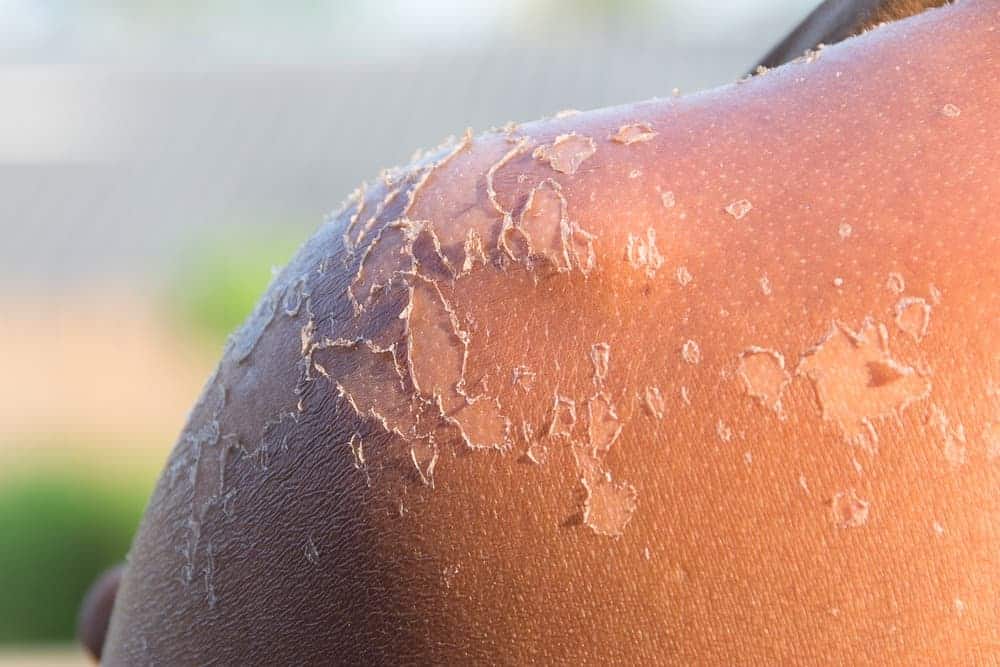
Plan your outdoor activities in the early morning hours before 10 a.m. or in the late afternoon, after 4 p.m. This will help you avoid the sun’s most intense radiation, which occurs between the hours of 10 a.m. and 2 p.m. Always seek shade, avoid tanning (especially UV tanning beds) and don’t get sunburned.
Always Wear Sunscreen
When choosing a sunscreen, look for ingredients that provide broad-spectrum coverage against both UVA and UVB radiation, such as micronized zinc oxide, titanium dioxide, Helioplex or Parsol 1789 (avobenzene).
For normal daily activities such as going to and from work or school, use a sunscreen with an SPF of 30 or higher — and use it every day. This will provide protection against incidental ultraviolet radiation that you encounter going to and from your car or traveling in your car. Remember, UV radiation is sneaky! It can penetrate clouds and glass and easily bounces off water and sand.
Apply 1 ounce (2 tablespoons) of sunscreen to your entire body 30 minutes before going outside.
For outdoor activities such as swimming, running or golfing, apply a waterproof sunblock and up the SPF to 50. For prolonged sun exposure, reapply sunscreen every two hours. For swimming and other water sports, use sunscreens that have the word “waterproof” on the label, but remember that no sunscreen is truly and completely waterproof.
Don’t forget to protect your eyes, ears and lips, which are just as susceptible to skin cancer as the rest of you.
Wear Protective Clothing
Wear UV-blocking sunglasses and a broad-brimmed hat, and remember that a hat with a 6-inch brim only provides equivalent sun protection to an SPF 8 sunscreen. Look for new fabrics for protective clothing that completely block the sun’s rays. They are designed to be loose fitting, cool and comfortable.
Practice Early Detection
Skin cancer prevention starts with you. In addition to an annual exam by a dermatologist, you should check your body head-to-toe for irregular spots and moles at least once a month. Use a hand-held mirror to expand your view and call in a family member or friend if you need help.
The Skin Cancer Foundation spells out this in more detail in Your Daily Sun Protection Guide and also provides a downloadable PDF.